Exporting from Mexico is an exciting opportunity that opens doors to global markets. We understand the importance of preparing thoroughly to ensure success in international trade. In this article, we explore key considerations necessary to navigate the complexities of exporting effectively from Mexico.
- Legal and tax requirements for Mexican exporters
- Identifying competitive products and target markets
- Understanding export permits and sectoral registrations
- Importance of market research and trade compliance
- Logistics, transport options, and packaging considerations
- Role of international fairs and customer relations
- Changes in export regulations and notice requirements
Legal Requirements for Exporting from Mexico
Business Incorporation and Tax Registration
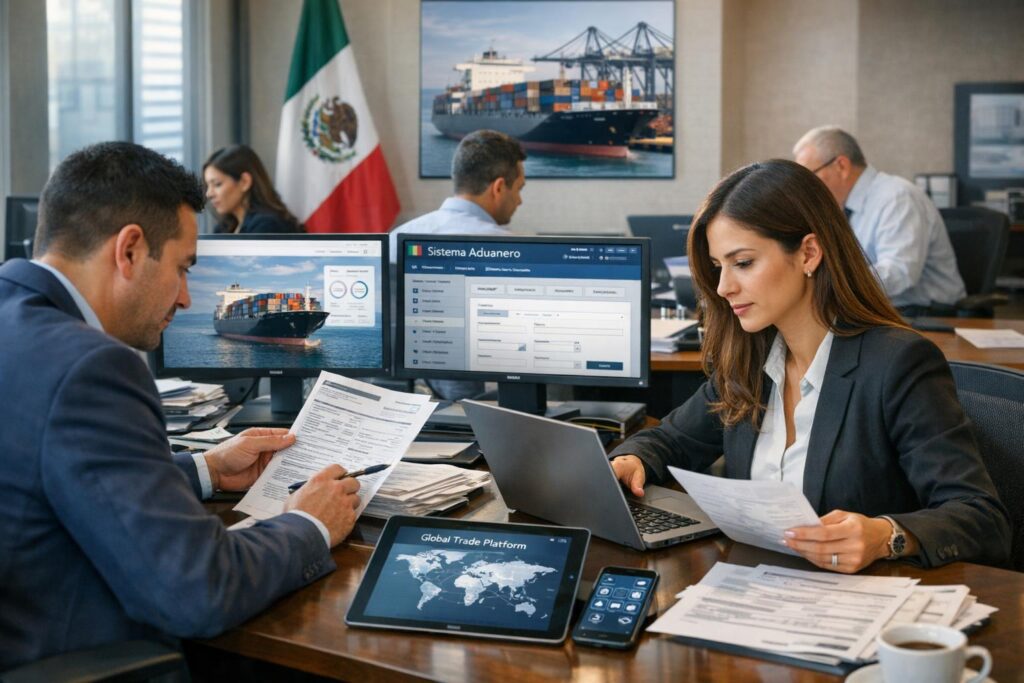
First, it is essential that our company is legally incorporated according to Mexico’s trade and tax laws. This legal foundation ensures compliance and credibility. Obtaining our Federal Taxpayer Registry (RFC) from the Ministry of Finance is a mandatory step before starting export operations.
Sectoral Authorization and Export Permits
Depending on the type of product, we may need authorization or registration with specific agencies. For example, goods listed under Mexico’s export control laws, such as dual-use items, conventional arms, or sensitive software, require permits from the Secretary of the Economy. Staying updated on these requirements protects us from potential fines or shipment delays.
How to Identify Competitive Products and Target Markets
Selecting the Right Products to Export
We recognize that while all types of products can be exported, not all have the competitiveness needed to thrive globally. When selecting items, we assess:
- Client demand and quantities required
- Product quality and production capacity
- Competitive pricing compared to other exporters
- Compliance with export standards and regulations
As one market expert remarks, “Analyzing market demand ensures resources are focused on viable opportunities rather than speculative ventures.” This focus is fundamental to sustained export success.
Analyzing International Markets
In parallel, conducting deep market research is critical. Understanding local consumer preferences, pricing structures, and competitive landscapes enables us to tailor our products and marketing strategies. Studying requirements for countries like the United States, one of Mexico’s largest trading partners, helps avoid export barriers.
Export Procedures and Compliance
Export Notice and Shipment Documentation
Starting August 2025, Mexico introduced the requirement of an “Automatic Export Notice” for certain key products. It is important for us to initiate this process timely, as the notice is subject to evaluation rather than automatic approval. This new step impacts how we plan shipments and communicate timelines with international buyers.
Customs Classification and Trade Agreements
Properly classifying goods under tariff codes aids in leveraging trade agreements like USMCA. This classification ensures we benefit from preferential tariffs, making our offers more competitive.
Learning about Understanding Tariff Classifications Under USMCA helps us optimize costs effectively.
Logistics, Transportation, and Packaging Considerations
Choosing the Best Transportation Method
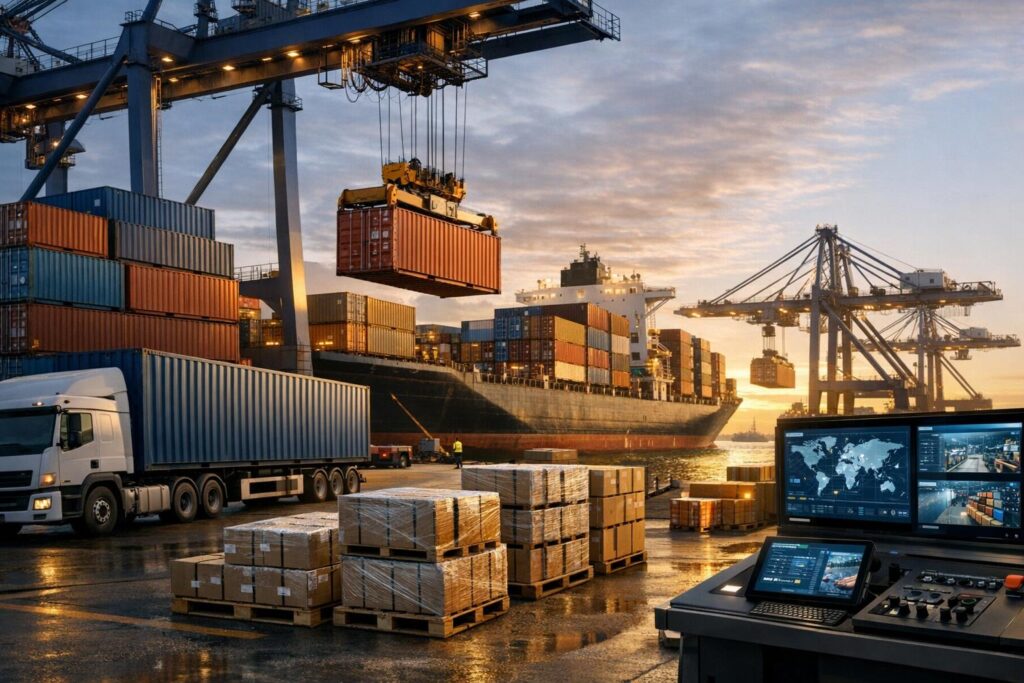
Depending on product type, volume, and destination, we select appropriate transportation, whether by air, sea, or land. Each mode has costs, speed, and packaging constraints that affect overall efficiency.
Packaging Requirements
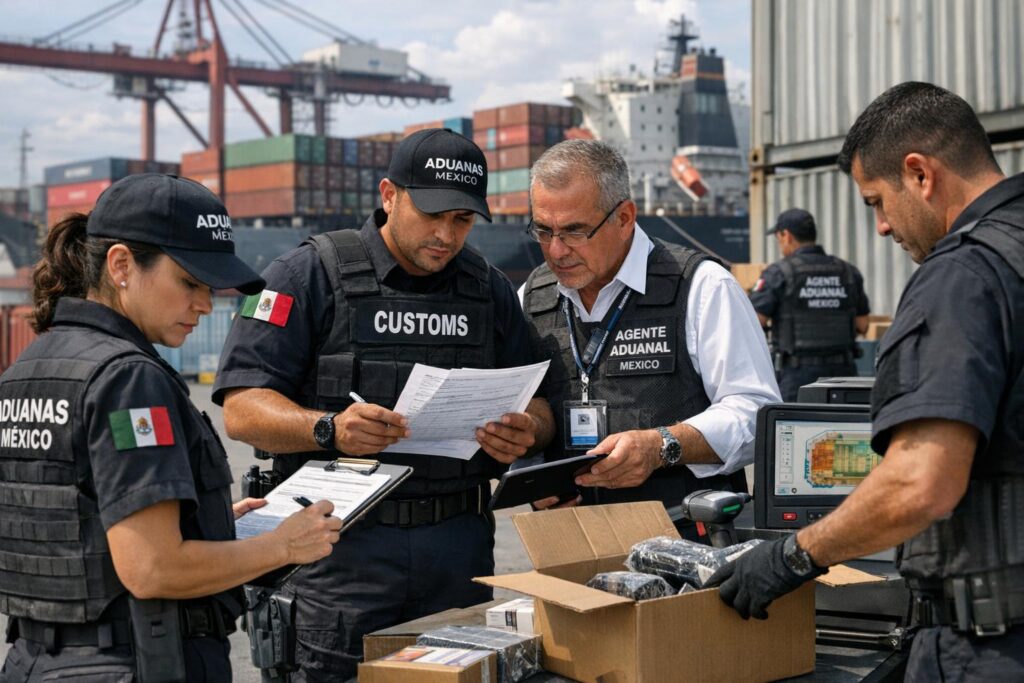
The dimensions and durability of packaging are critical for protecting goods and complying with destination regulations. Well-planned packaging reduces damage risk and facilitates customs inspections.
Strategies for Market Penetration and Growth
Participation in International Fairs and Exhibitions
Attending international trade fairs boosts our visibility and builds relationships with buyers and distributors. These events also provide insights into industry trends and competitor activities.
Post-Sales Service and Customer Support
Offering reliable after-sales support can differentiate us from competitors. It enhances our reputation and encourages repeat business in global markets.
Keeping Up with Export Regulation Updates
Monitoring Changes in Export Controls
Export regulations are evolving, including recent laws that expand the list of products requiring export permits and additional documentation. We make it a habit to stay informed via official government sources and industry updates.
Understanding these updates allows us to adapt quickly and maintain uninterrupted trade activities.
Ensuring Compliance to Avoid Penalties
Non-compliance with tax obligations or export procedures can lead to fines, shipment delays, or revocation of export permits. We prioritize keeping our legal documentation and registrations current.
Conclusion
In our experience, successfully exporting from Mexico requires attention to legal details, strategic product selection, solid market research, and staying current with regulations. By following these guidelines, we position ourselves to increase competitiveness and grow internationally.
For seamless export operations and expert help, we trust resources like BrokerMX that provide up-to-date information and professional guidance.
FAQ
- What documents are necessary to export goods from Mexico?
We need RFC registration, export permits (if applicable), shipment documents such as invoices, packing lists, and the Export Notice when required. - How do I know if my product requires an export permit?
Products like dual-use goods, arms, or specialized technology require permits. Checking Mexico’s export control annexes or consulting official agencies is essential. - What are the best markets for Mexican exports?
The U.S. remains a major destination, but opportunities also exist in Europe, Asia, and Latin America depending on product competitiveness and demand. - How can I benefit from trade agreements like USMCA?
By correctly classifying products and meeting origin rules, we reduce tariffs and improve price competitiveness abroad. - What are important packing considerations for export?
Packaging must protect goods during transport, meet regulation standards, and optimize space to reduce shipping cost.
Ready to expand your business beyond borders? Let’s start by ensuring your export processes adhere to all regulations and market demands. Visit BrokerMX today to access expert insights and streamline your international trade journey.