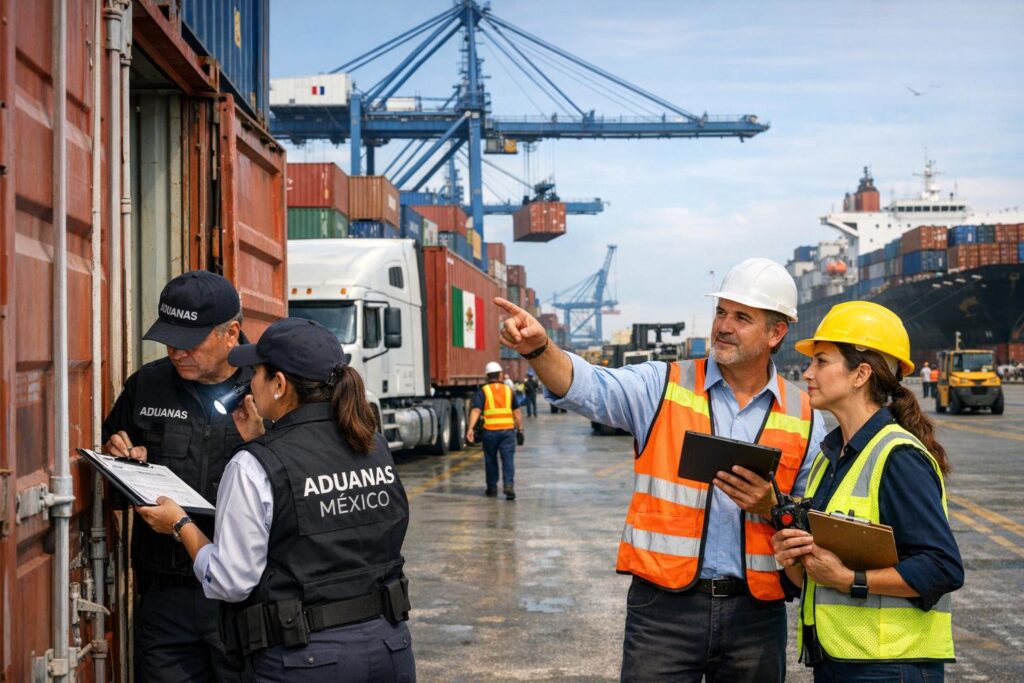
When engaging in international trade, understanding the rules and regulations that govern the transaction is crucial. One of the most important aspects to consider is the choice of Incoterm, a set of rules that define the terms of delivery for goods being sold across international borders. Selecting the right Incoterm can help ensure a smooth transaction, minimize risks, and avoid costly misunderstandings. In this article, we will explore the different types of Incoterms, their uses, and provide guidance on how to choose the right one for your international transaction.
What are Incoterms?
Incoterms, short for International Commercial Terms, are a set of standardized terms developed by the International Chamber of Commerce (ICC) to clarify the responsibilities of buyers and sellers in international trade. They provide a common language for traders to use when negotiating contracts, ensuring that both parties understand their obligations and liabilities. There are currently 11 Incoterms, each with its own specific requirements and implications.
Types of Incoterms
The 11 Incoterms can be grouped into four main categories based on the level of responsibility and risk assumed by the buyer and seller. Here are the different types of Incoterms:
- Group 1: E-Terms – EXW (Ex Works), where the seller is responsible only for making the goods available at their premises.
- Group 2: F-Terms – FCA (Free Carrier), FAS (Free Alongside Ship), and FOB (Free On Board), where the seller is responsible for delivering the goods to a carrier or ship.
- Group 3: C-Terms – CFR (Cost and Freight), CIF (Cost, Insurance, and Freight), CPT (Carriage Paid To), and CIP (Carriage and Insurance Paid To), where the seller is responsible for the cost of transportation and, in some cases, insurance.
- Group 4: D-Terms – DAP (Delivered At Place), DPU (Delivered at Place Unloaded), and DDP (Delivered Duty Paid), where the seller is responsible for delivering the goods to a specific destination.
How to Choose the Right Incoterm
Choosing the right Incoterm depends on several factors, including the type of goods being sold, the transportation mode, and the level of risk both parties are willing to assume. Here are some tips to consider:
- Consider the level of control you want to maintain over the shipping process.
- Assess the level of risk you are willing to assume, including the risk of loss or damage to goods during transit.
- Evaluate the costs associated with each Incoterm, including transportation, insurance, and customs clearance.
- Consider the requirements of your buyer or seller, including their expectations and limitations.
Benefits of Choosing the Right Incoterm
Selecting the right Incoterm can have several benefits, including:
- Reduced risk: By clearly defining the responsibilities of both parties, you can minimize the risk of misunderstandings and disputes.
- Improved clarity: Incoterms provide a common language for traders, ensuring that both parties understand their obligations and liabilities.
- Cost savings: By choosing the right Incoterm, you can avoid unnecessary costs, such as transportation or insurance costs.
To ensure that you are using the right Incoterm for your international transaction, it’s recommended to work with a professional logistics provider, such as Broker MX (https://brokermx.com), who can provide expert guidance and support. With their expertise, you can navigate the complexities of international trade and ensure a smooth and successful transaction.
Frequently Asked Questions (FAQs)
Q: What is the difference between CIF and FOB?
A: CIF (Cost, Insurance, and Freight) includes the cost of insurance and freight, while FOB (Free On Board) only includes the cost of delivering the goods to the ship.
Q: Can I use Incoterms for domestic transactions?
A: While Incoterms are designed for international trade, they can be used for domestic transactions. However, it’s essential to check local regulations and laws to ensure compliance.
Q: How do I know which Incoterm is right for my business?
A: To determine the right Incoterm for your business, consider factors such as the type of goods being sold, transportation mode, and the level of risk you are willing to assume. It’s also recommended to work with a professional logistics provider, such as Broker MX (https://brokermx.com), who can provide expert guidance and support.
Q: Can I negotiate Incoterms with my buyer or seller?
A: Yes, Incoterms are negotiable, and it’s common for buyers and sellers to agree on specific terms that meet their needs. However, it’s essential to ensure that both parties understand the implications of the chosen Incoterm.